
Tabora Cash Payment Frankings
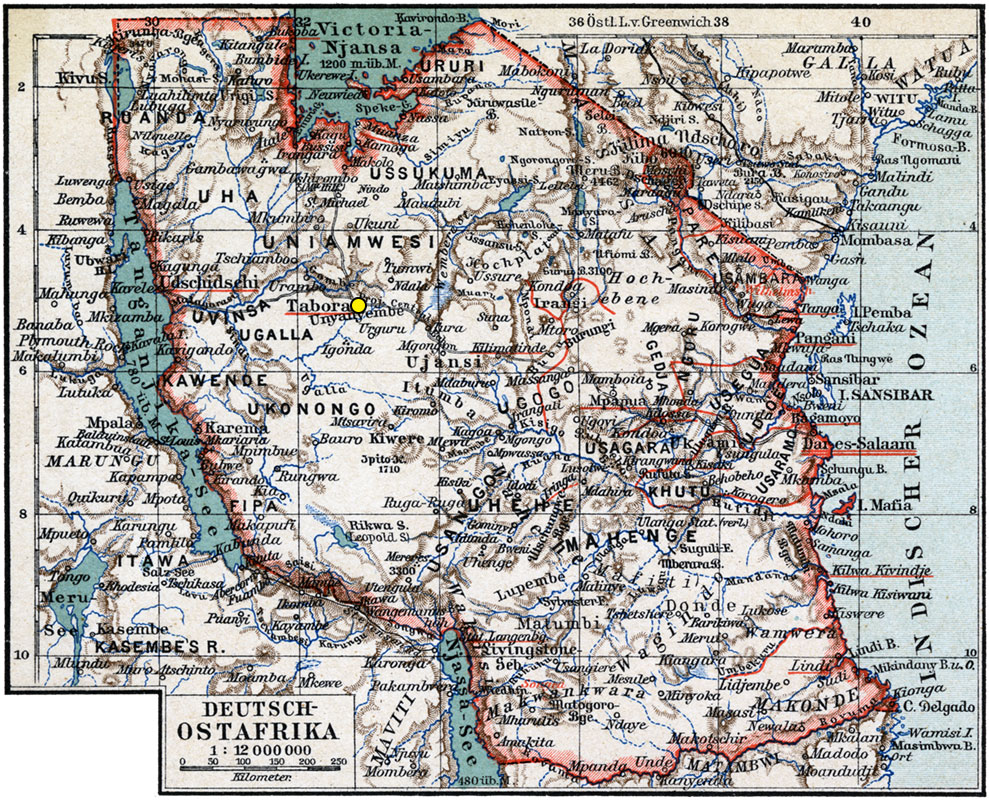
In 1869, German missionaries established the first German presence in the territory that would become German East Africa. In 1884, the Company for German Colonization was founded by German explorer Carl Peters, and immediately began establishing treaties with local chiefs in the coastal region.
Over the next decade, the newly-founded German East Africa Company would increase German influence in the area by opening customs houses and forming agreements with local chiefs and Sultans. In the last years of the 1880s, however, Arabs opposed to the increased European presence began raiding and killing German settlers. The German East Africa Company requested assistance from the Imperial government, which quickly came in the form of ships and men under the command of newly-appointed Imperial Commissioner Hauptmann Hermann von Wissmann. Within a year, the insurrection was crushed, and in 1891, Germany acquired sovereignty over the entire territory.
In May 1915, the Post Director in Deutsch-Ostafrika issued orders directed at reducing the usage of stamps due to the war situation. One of these orders was that postage for larger shipments of printed matter, money orders, and parcel post cards should be paid in cash. To denote payment, special metal or rubber handstamps were distributed to numerous post offices throughout the colony. These handstamps typically denoted the amount paid alongside a circular postal cancel and the signatures of two postal officials.
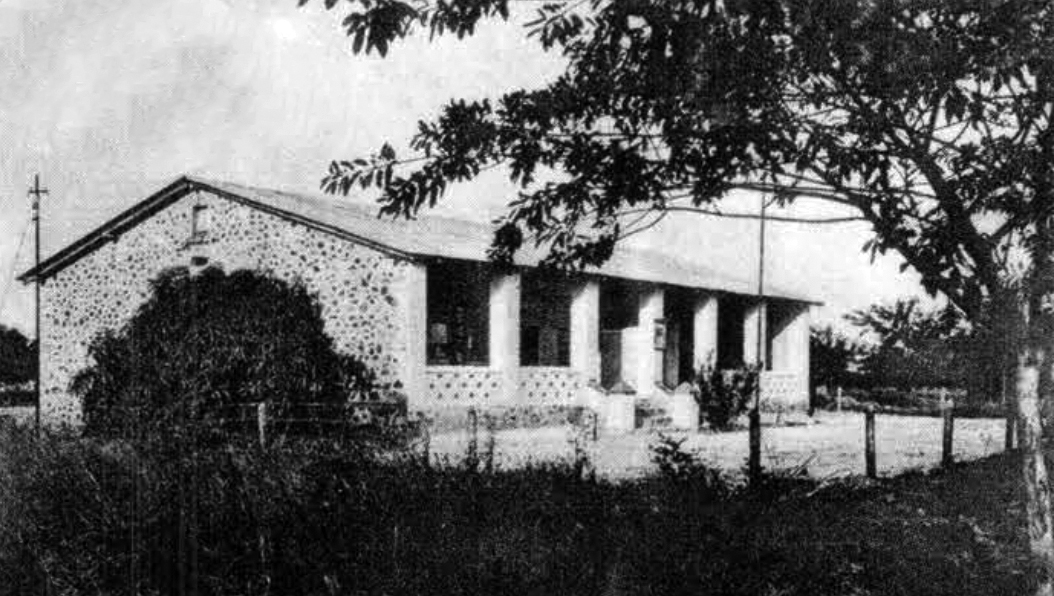
Tabora Post Office, c. 1909
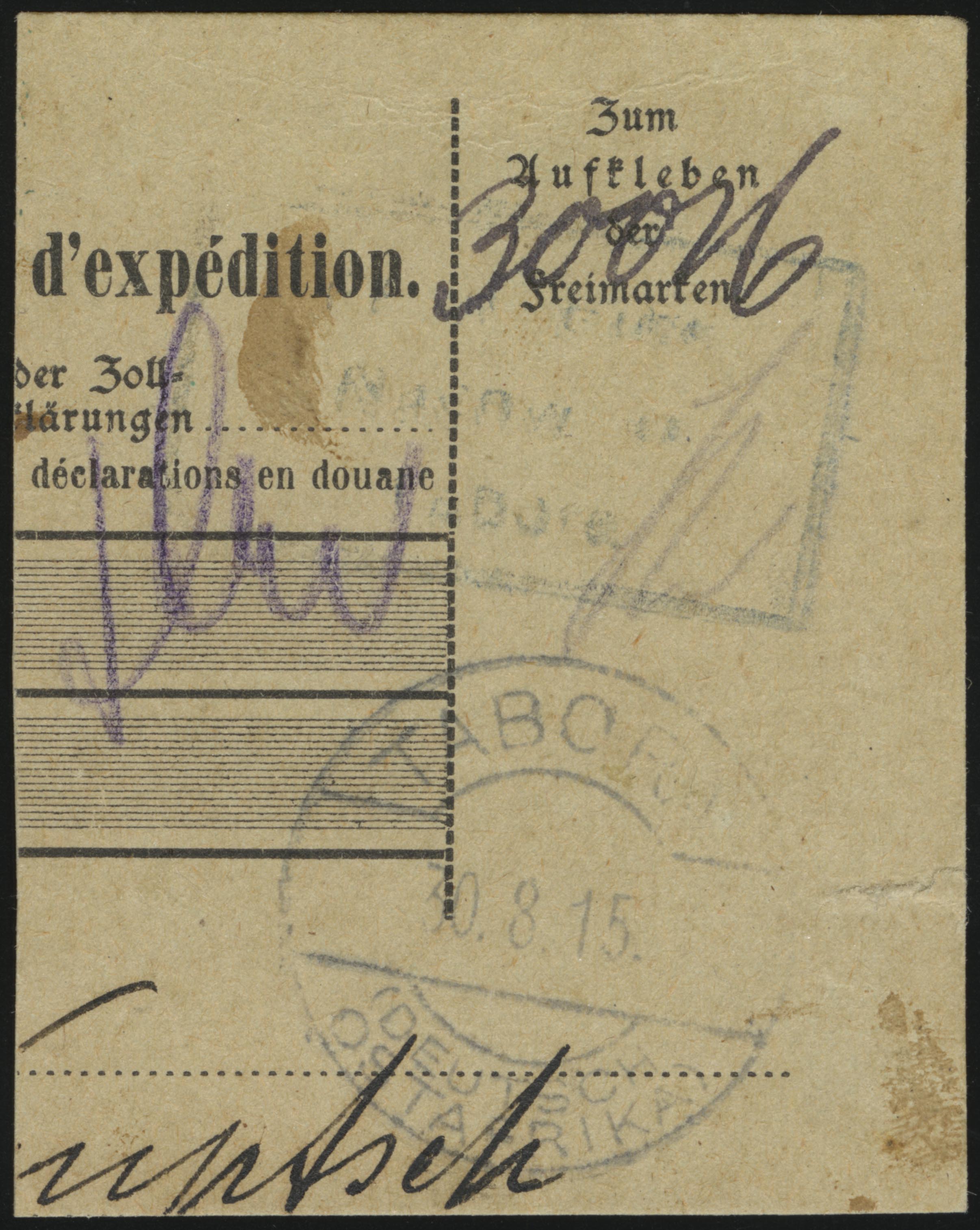 30 August 1915 (front)
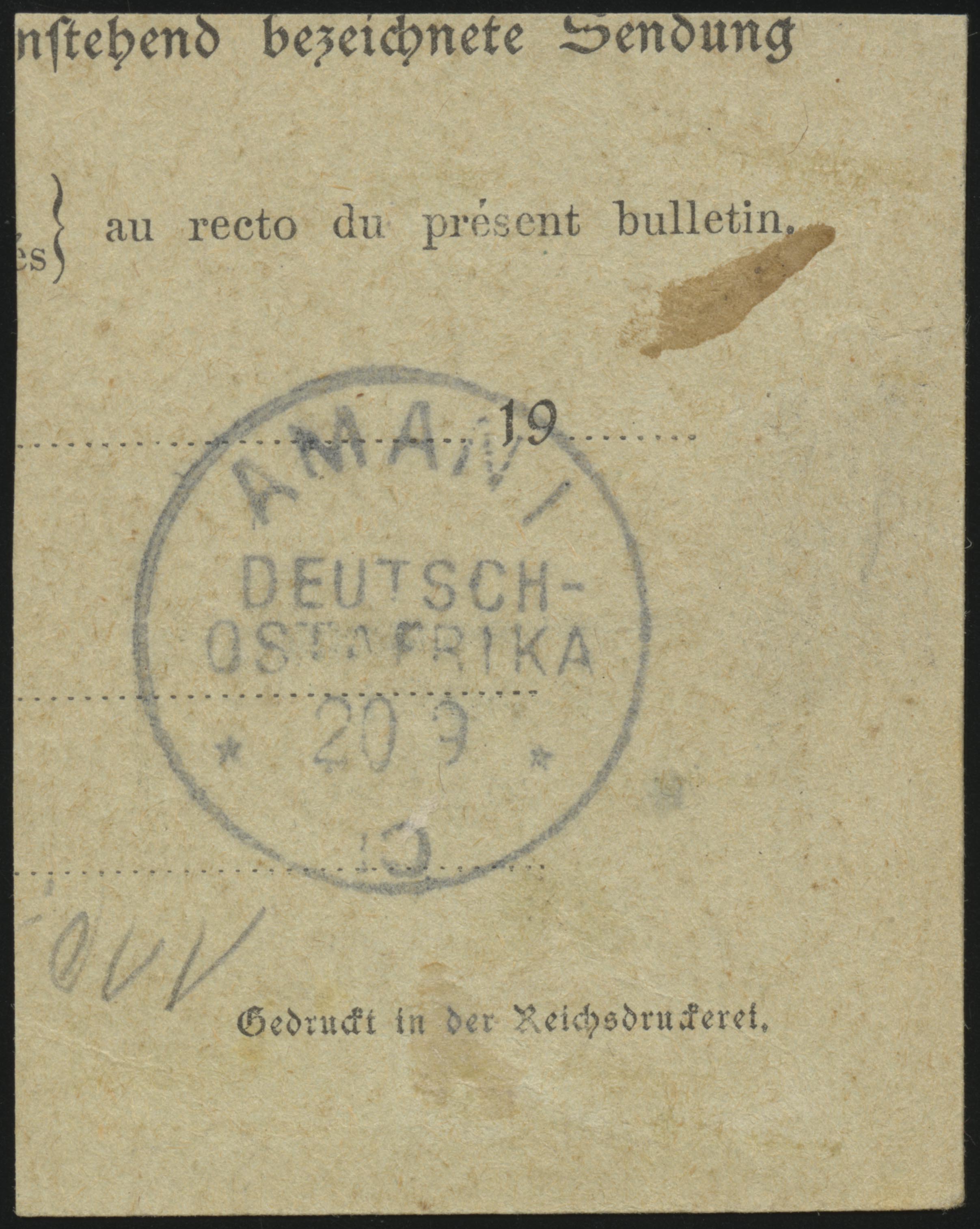 30 August 1915 (rear)
Postmark Information
Catalog:
- Friedemann BF 11
- ArGe Kolonien Fr. lt. Einn. Nachw. in Tabora
Dates of Use:
-
31 May 1915 to 25 May 1916
Notes:
-
With handwritten cash amount
-
Violet ink
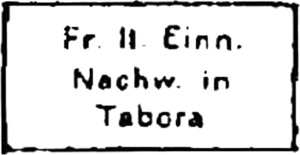
Tabora Cash Payment Frankings
In 1869, German missionaries established the first German presence in the territory that would become German East Africa. In 1884, the Company for German Colonization was founded by German explorer Carl Peters, and immediately began establishing treaties with local chiefs in the coastal region.
Over the next decade, the newly-founded German East Africa Company would increase German influence in the area by opening customs houses and forming agreements with local chiefs and Sultans. In the last years of the 1880s, however, Arabs opposed to the increased European presence began raiding and killing German settlers. The German East Africa Company requested assistance from the Imperial government, which quickly came in the form of ships and men under the command of newly-appointed Imperial Commissioner Hauptmann Hermann von Wissmann. Within a year, the insurrection was crushed, and in 1891, Germany acquired sovereignty over the entire territory.
In May 1915, the Post Director in Deutsch-Ostafrika issued orders directed at reducing the usage of stamps due to the war situation. One of these orders was that postage for larger shipments of printed matter, money orders, and parcel post cards should be paid in cash. To denote payment, special metal or rubber handstamps were distributed to numerous post offices throughout the colony. These handstamps typically denoted the amount paid alongside a circular postal cancel and the signatures of two postal officials.
30 August 1915 (front)
30 August 1915 (rear)
Postmark Information
Catalog:
- Friedemann BF 11
- ArGe Kolonien Fr. lt. Einn. Nachw. in Tabora
Dates of Use:
-
31 May 1915 to 25 May 1916
Notes:
-
With handwritten cash amount
-
Violet ink
Album Page(s)
